oil bitcoinCategoriesHealthy Foods Lifestyle

Liquid Gold or Disease Risk Factor?

Caraka clearly wrote “if the gastric fire is kindled by fuel in the form of ghee, then it cannot be suppressed, even by too heavy food”. Given Ayurveda’s emphasis on wholesome food, the importance of ghee in increasing digestion is helpful. No benefit can be gained from food without proper digestion and non-digested substance accumulates. One or two teaspoons of ghee every day nourishes the whole digestion process. Ghee helps to eliminate waste products because it has a laxative as well as diuretic effect on the body. The properties of Ghee help to lubricate the digestive tract, alleviate bowel hardness and reduce flatulence and bloating. Ghee nurtures every tissue and promotes strength, standardisation of blood and lymph. In Ayurveda the sweet taste stimulates anabolic activity, because the earth element predominates.


Current era has classified ghee as a product which leads to cardiovascular related diseases but ghee has used in Indian diets for thousands of years without any reported adverse health effects. Although most previous studies focused on cholesterol levels as an indicator of CVD, more specific studies show that low density oxidised lipoprotein cholesterol leads to atherosclerosis. Ghee was an easy target as it was made out of 65% saturated fat. The high rate of the atherosclerosis of Indian immigrant populations was investigated in one Lancet study. In butter, but not in ghee, there have been significant amounts of harmful Cholesterol oxides. This means that butter cholesterol is oxidised while making ghee when simming it.


Fatty acids are also important for our health. Ghee which contains saturated fat of 89% contains of short chain fatty acids , comparing with long chains in other animal fats, such as fat for beef. It is the longer chain fatty acids linked to the thrombosis and coagulation of the blood. Not only are short chains easier to digest, they help produce hormones and reinforce cell membranes. It also has anti-microbial properties that protect against damaging digestive tract micro-organisms. In addition to the absence of clear evidence that ghee and CVD risk are connected, it seems to prevent it. Studies have shown that ghee can decrease serum cholesterol levels in both rat and human beings.
texture of gheeCategoriesGhee

Texture of Ghee

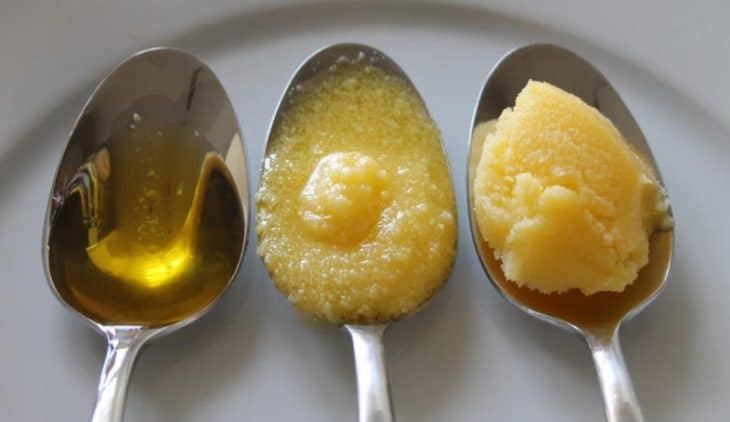
After the ghee has been done, we allow it to settle down for up to 12 hours in a controlled temperature to allow the fat molecules to granulate and crystalize in the Nutriche’ ghee.  We will get a grainy texture which increases the appetite and presentation of the ghee. It can be spreaded in toast or consume it directly (with conditions for medicinal value).

This pure ghee is made in Malaysia, a Southeast tropical Asian country, where the temperature is 20°C -30°C by average per year. Depending on the weather and temperature of the surrounding, the ghee adopts itself. If the temperature is high, the ghee will become in oil form. If it is in ideal temperature and cooling down gradually, the ghee will be grainy and shiny. If the temperature is cool, the ghee will solidify and give a creamy texture.

The texture might also differ due to the logistics when the ghee is travelling from one place to another. The ghee might have to travel in warm condition for long hours and this will eventually effect the form of ghee. The texture will eventually liquify and turn into oil form.

Does the quality changes depending on the texture? Definitely NO. The nutritional values and the medicinal properties will never change. The ghee is always as “Nutrient Rich” as it is despite the form and texture of the ghee. The taste, quality and shelf life is guaranteed.

gheeCategoriesGhee Healthy Foods

Benefits of Ghee

Now, let’s get to know about fats and their role in diet plans. “FATS!!! NO WAY!!! I am never consuming fats on my diet! “, the most frequent phrase I hear. It is just a myth that fats cannot be consumed on a specific diet, the truth is you should consume fats, just you have to be aware of what type and the quantity of fats are you consuming during your diet.


To understand the fatty acid composition in ghee, a study was performed. It has been found that a good source of DHA (docosahexaenoic acid) is ghee. The most common omega 3 fatty acid is DHA. Omega 3 is the important fat we need to eat from our diet as it can not be produced by our body. Some strong sources of omega-3 fatty acids are walnuts, fish oil and flaxseeds. The risk of such disorders such as cancer , heart attack, insulin resistance, arthritis and ADHD (attention deficit hyperactivity disorder) may be minimised by DHA.


Together with vitamins A, D , E and K, butyric acid in ghee helps increase immunity, promotes gut health, helps to keep your hair healthy, strengthens your bones and improves eye health. Ghee makes our system stronger and removes toxins. In addition, ghee enhances digestion, boosts immunity, balances weight, encourages healthy pregnancy, protects arteries.


It can be great for weight loss, since ghee is rich in omega 3 fats (DHA) and omega 6 (CLA). Omega 6 fats have been shown to increase the mass of the lean body while decreasing fat mass. Ghee helps to mobilise fat cells to be burned for energy. Ghee is packed with essential amino acids that can reduce the size of fat cells, experts have also found. It can be beneficial to add ghee if your body quickly accumulates fat. Omega 3 fatty acid in ghee can also help you lose inches and eventually help you shed those extra kilos.


One-two small spoons of ghee is the advisable amount daily. It is advised to have ghee if you are trying to lose weight mainly because it’s rich in amino acids and helps to shrink the size of fat cells, says Dr Mansi Chatrath, Nutritionist.

Ghee or clarified butter in jar and wooden spoon on gray tableCategoriesDairy Farm Ghee Healthy Foods

What is Ghee?

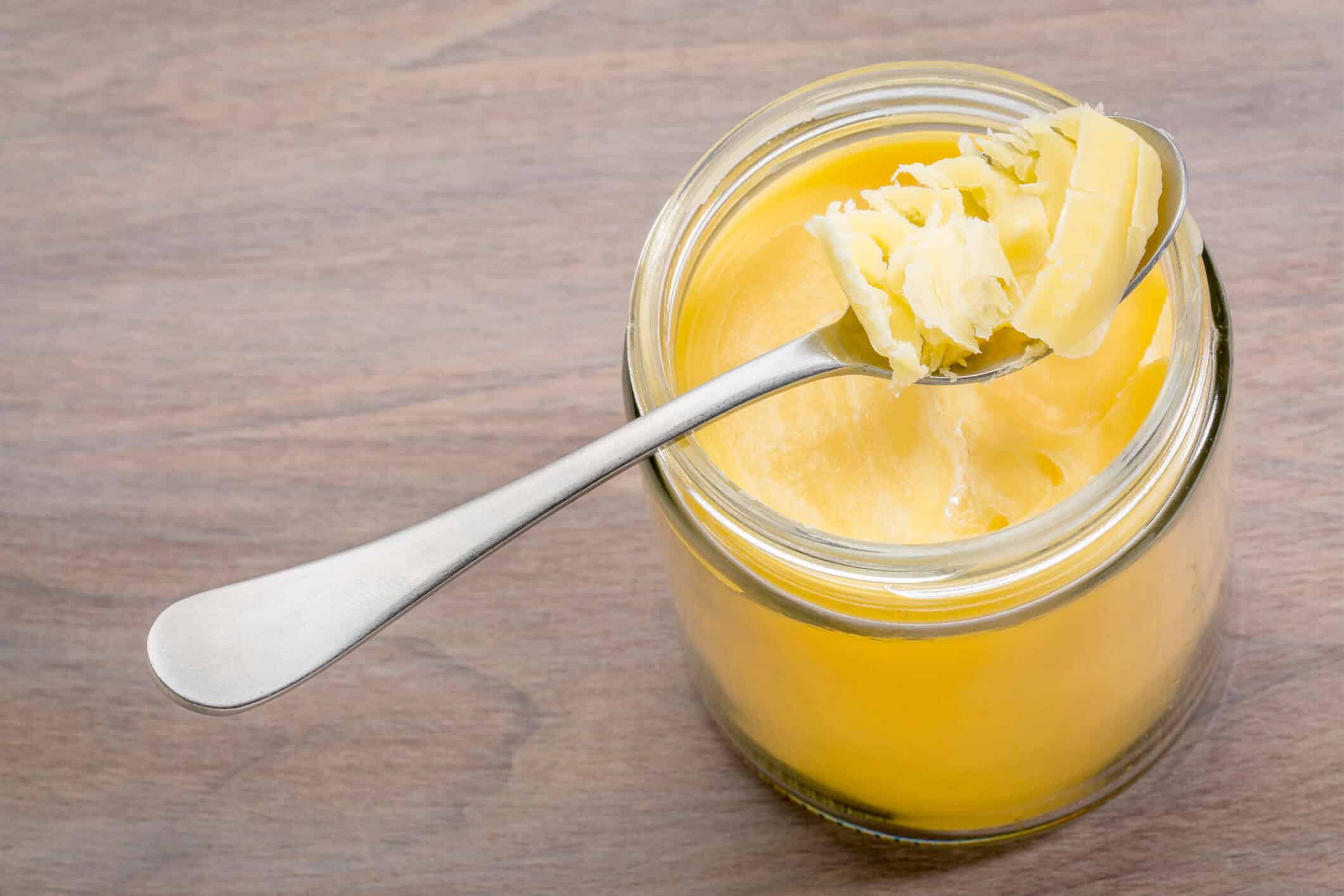
Ghee which was found back in 1500-500 BCE in India. Ghee is clarified butter, or also known as butter which has been simmered and strained to remove all water. Clarified butter has uncooked milk solids, yielding a product with a very clean, sweet flavor. In comparison, ghee is cooked over low heat until the milk solids have a chance to start to brown lightly, creating a slightly nutty, caramelized vibe. It is shelf-stable, with a high smoke point and deeply nutty flavor.


Ghee has played a key role in Ayurveda for centuries, where it’s prized for its anti-inflammatory, digestive, and therapeutic properties. Ghee also has really been exposed to modern diets because of their exceptional nutritional value such as Ketogenic, Paleolithic and AIP diet. Ghee was also claimed to be as superfood where it get along with any meals and directly increase the nutritional value of them. Of course, there’s always strict instructions to follow. Ghee was also well known as ‘Liquid Gold’, and ‘Sacred Fat’. Continue to read on the next blogs, to see what miracles can the ghee contribute to our health and body.